
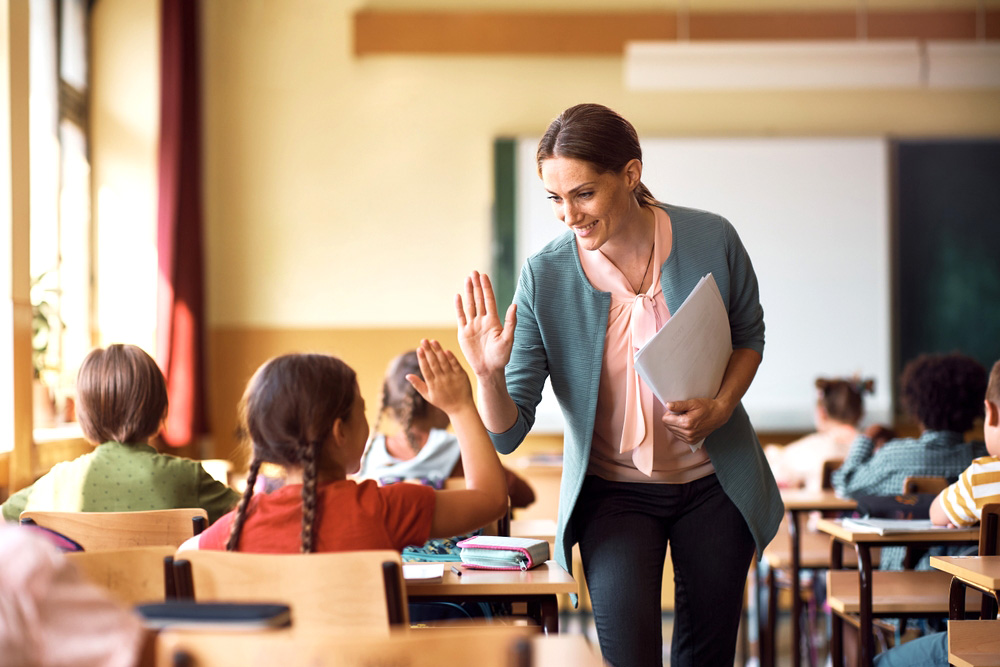
When parents think about independence for their child, they often picture future milestones—managing emotions, handling responsibilities, forming relationships, and navigating adulthood with confidence. What’s less obvious is that independence doesn’t begin later in life. It starts with emotional safety in the school environment.
Emotional safety means a child feels understood, supported, and secure enough to take risks—academically, socially, and emotionally. Without it, learning and growth become difficult, no matter how strong a curriculum may be.
Why Emotional Safety Comes Before Independence
Children who feel emotionally unsafe often spend much of their energy in survival mode. Anxiety, fear of failure, or constant correction can make it difficult to focus, problem-solve, or advocate for themselves. In these conditions, independence can’t develop because the child is focused on coping rather than growing.
When students feel emotionally safe, they are more willing to try new tasks, ask for help, and learn from mistakes—key building blocks of independence.
The Connection Between Emotional Regulation and Self-Sufficiency
Emotional regulation is a foundational skill for independence. Children who can recognize their emotions, manage frustration, and recover from setbacks are better equipped to make decisions and handle challenges on their own.
Schools that prioritize emotional safety actively teach these skills throughout the day. Instead of reacting only when behaviors escalate, they support students in understanding what they’re feeling and how to respond productively.
Building Confidence Through Supportive Relationships
Trusting relationships with consistent adults play a critical role in emotional safety. When students know they will be met with patience and understanding, they begin to internalize those responses themselves.
Over time, this leads to increased confidence, stronger self-awareness, and a growing sense of responsibility for one’s actions—essential traits for long-term independence.
Why Independence Looks Different for Every Child
Independence isn’t about doing everything alone. For many children with emotional or behavioral challenges, independence means knowing when to ask for support, using coping strategies effectively, and navigating social situations with confidence.
A supportive school environment recognizes these differences and sets realistic, individualized goals that allow each student to progress at their own pace.
Looking Ahead
When emotional safety is embedded into the school day, children gain more than academic skills. They develop resilience, self-advocacy, and confidence—tools that prepare them for life beyond the classroom.
If you’re exploring educational options that support both emotional growth and long-term independence, learning more about Honor Ridge Academy’s individualized, therapeutic approach may be a helpful next step. Visit our website to explore our programs and how we support students in building the skills they need for the future.