
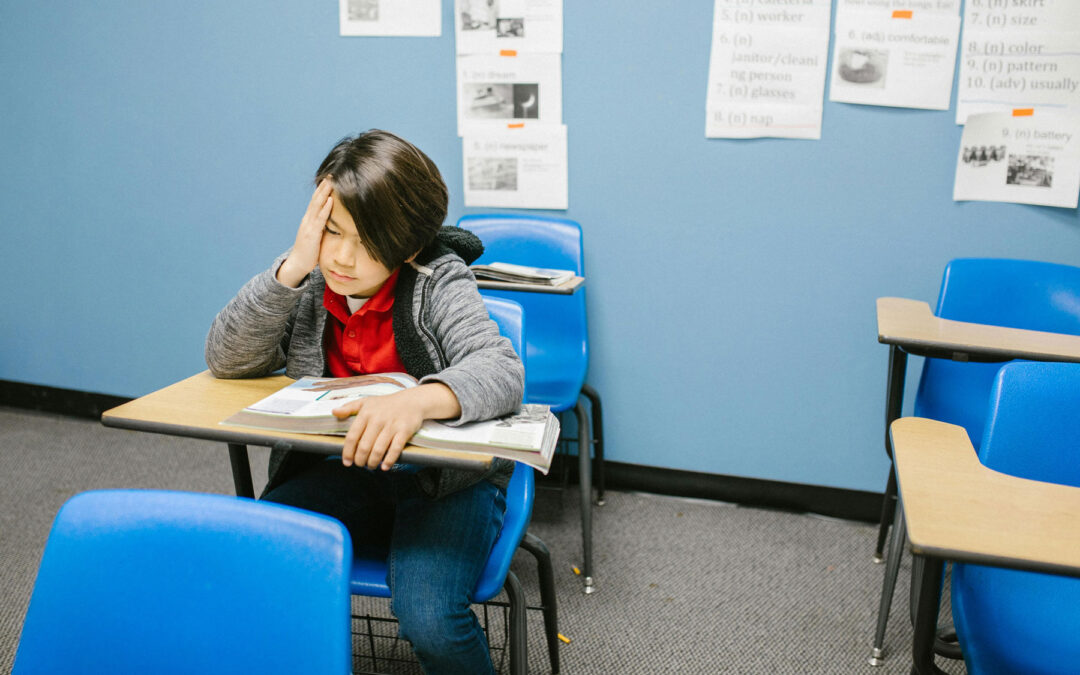
As standardized testing season approaches, many families begin to notice a shift. Increased irritability. Trouble sleeping. Avoidance. Headaches or stomachaches on test days.
For some children—especially those with emotional or behavioral challenges—testing anxiety can feel overwhelming.
Understanding why testing triggers stress is the first step in helping your child navigate it successfully.
Why Testing Feels So Intense for Some Children
Standardized testing introduces several pressure points at once:
- Fear of failure
- Performance comparisons
- Time constraints
- Disruption of routine
- Increased academic expectations
For children who already struggle with emotional regulation, anxiety, or self-confidence, these added pressures can amplify stress quickly.
Testing anxiety isn’t about laziness or lack of preparation. Often, it stems from a child’s fear of disappointing adults, feeling exposed in front of peers, or worrying they are “not good enough.”
Signs Your Child May Be Experiencing Testing Anxiety
Testing anxiety doesn’t always look the same. It may present as:
- Emotional outbursts before school
- Avoidance of homework or review materials
- Negative self-talk (“I’m going to fail.”)
- Physical symptoms like headaches or stomachaches
- Shutting down during academic tasks
Recognizing these signs early allows you to respond with support instead of frustration.
How Parents Can Help at Home
While you can’t remove testing season entirely, you can help reduce its emotional weight.
- Reframe the purpose. Remind your child that tests measure skills on one day—not intelligence, worth, or future success.
- Focus on effort over outcomes. Celebrate preparation, persistence, and small improvements rather than scores.
- Maintain predictable routines. Consistent sleep, meals, and downtime help regulate the nervous system during stressful periods.
- Model calm confidence. Children often mirror adult reactions. Keeping conversations about testing steady and neutral reduces pressure.
- Encourage coping tools. Deep breathing, short movement breaks, or grounding strategies can help your child reset before and during testing.
How School Environment Impacts Testing Stress
For children with emotional or behavioral needs, the school environment plays a significant role in how testing anxiety unfolds. When students feel emotionally safe, supported, and understood, they are more likely to manage stress effectively.
Schools that integrate emotional regulation strategies into the day—not just during testing—help students build resilience long before exam season arrives.
Moving Forward with Support
Testing is only one part of a child’s educational journey. Long-term success depends far more on confidence, coping skills, and emotional stability than on a single score.
If your child experiences significant stress around testing—or if academic pressure consistently affects their emotional well-being—exploring an educational environment that prioritizes emotional safety and individualized support may be a meaningful next step.
To learn how Honor Ridge Academy supports students through both academic instruction and integrated therapeutic services, visit our website to explore our programs and approach.