
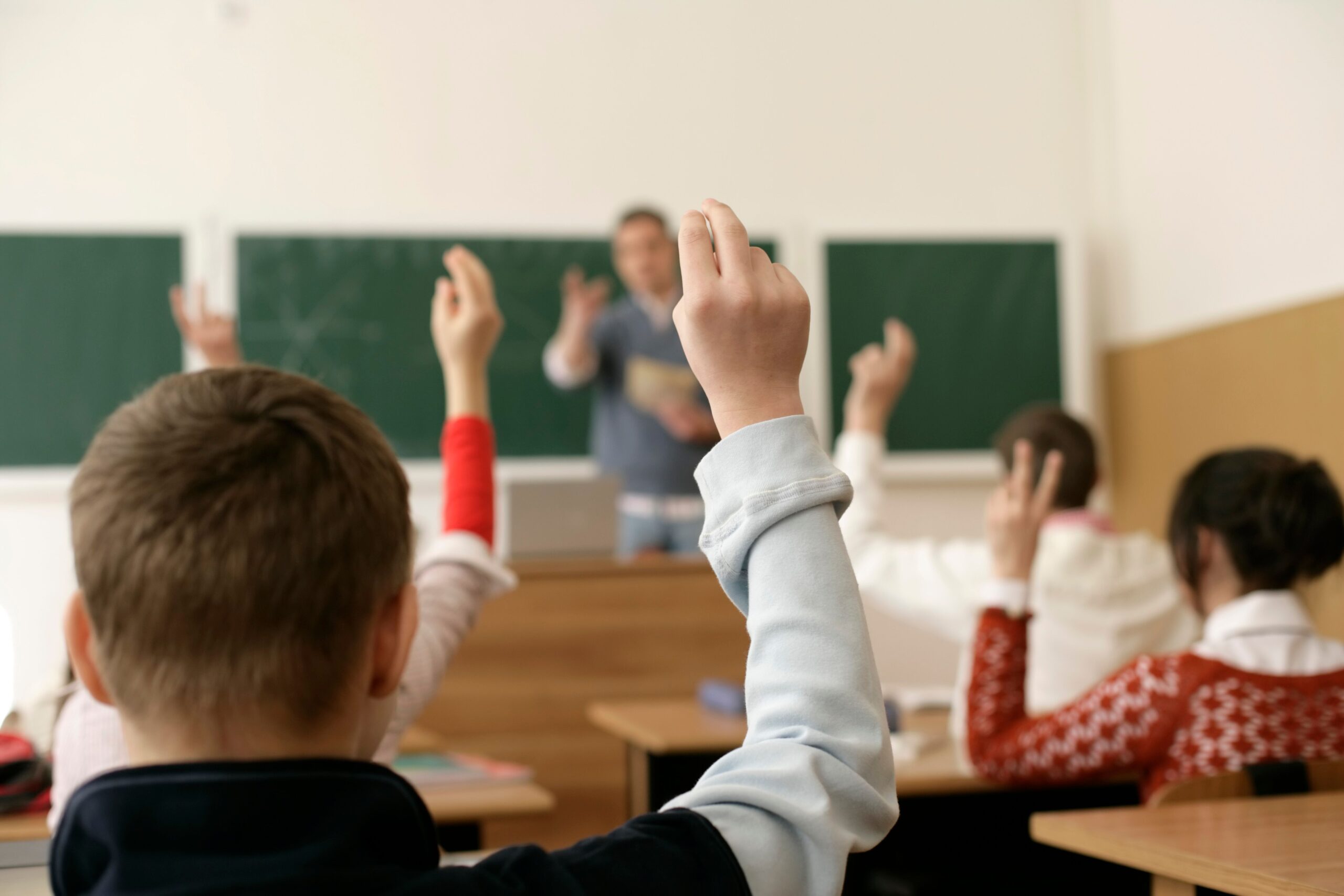
Self-advocacy is an important life skill that helps children communicate their needs, express their thoughts, and take an active role in their own success. For children with emotional, behavioral, or learning challenges, developing self-advocacy skills can build confidence, strengthen independence, and improve outcomes both in and out of the classroom.
While self-advocacy may seem like a skill that develops naturally over time, many children benefit from direct instruction and opportunities to practice speaking up in supportive environments.
What Is Self-Advocacy?
Self-advocacy is the ability to understand your own needs and communicate them effectively. It involves recognizing strengths and challenges, asking for help when needed, and expressing thoughts, feelings, and concerns in a respectful and productive way.
For children, self-advocacy can look like:
- Asking for clarification when they don’t understand an assignment
- Requesting a break when feeling overwhelmed
- Communicating their feelings appropriately
- Seeking support from trusted adults
- Expressing preferences and opinions respectfully
These skills help children become active participants in their education and personal growth.
Why Self-Advocacy Matters
Children who can advocate for themselves are often better equipped to navigate challenges and build positive relationships. Rather than feeling powerless or frustrated, they learn that their voice matters and that there are constructive ways to address their needs.
Self-advocacy also supports:
- Increased confidence and self-esteem
- Improved problem-solving skills
- Greater independence
- Stronger communication abilities
- Better emotional regulation
These benefits extend far beyond the classroom and can support success throughout adolescence and adulthood.
How Parents and Educators Can Encourage Self-Advocacy
Teaching self-advocacy starts with creating opportunities for children to make choices and share their thoughts.
Encourage your child to express preferences, ask questions, and participate in age-appropriate decisions. When challenges arise, guide them toward problem-solving rather than immediately stepping in to solve the issue for them.
Modeling effective communication is also important. Children learn by observing adults who respectfully express their needs, set boundaries, and seek support when necessary.
Celebrating small successes can help build confidence. Whether a child asks for help, shares a concern, or speaks up in a difficult situation, recognizing those efforts reinforces the value of self-advocacy.
Creating a Supportive Environment
Children are more likely to advocate for themselves when they feel safe, respected, and heard. Supportive educational environments encourage open communication and help students understand that asking for help is a strength, not a weakness.
By teaching children how to recognize their needs and communicate them effectively, families and educators can help them develop skills that will benefit them throughout their lives.
Helping Children Find Their Voice
Self-advocacy is not about having all the answers—it’s about giving children the confidence and tools to seek support, express themselves, and participate in their own growth.
At Honor Ridge Academy, students are encouraged to build confidence, communication skills, and independence in a supportive environment that recognizes each child’s unique strengths and needs. Visit our website to learn more about how our individualized approach helps students develop the skills they need for success both in school and beyond.